
How to Choose the Right Helmet Size
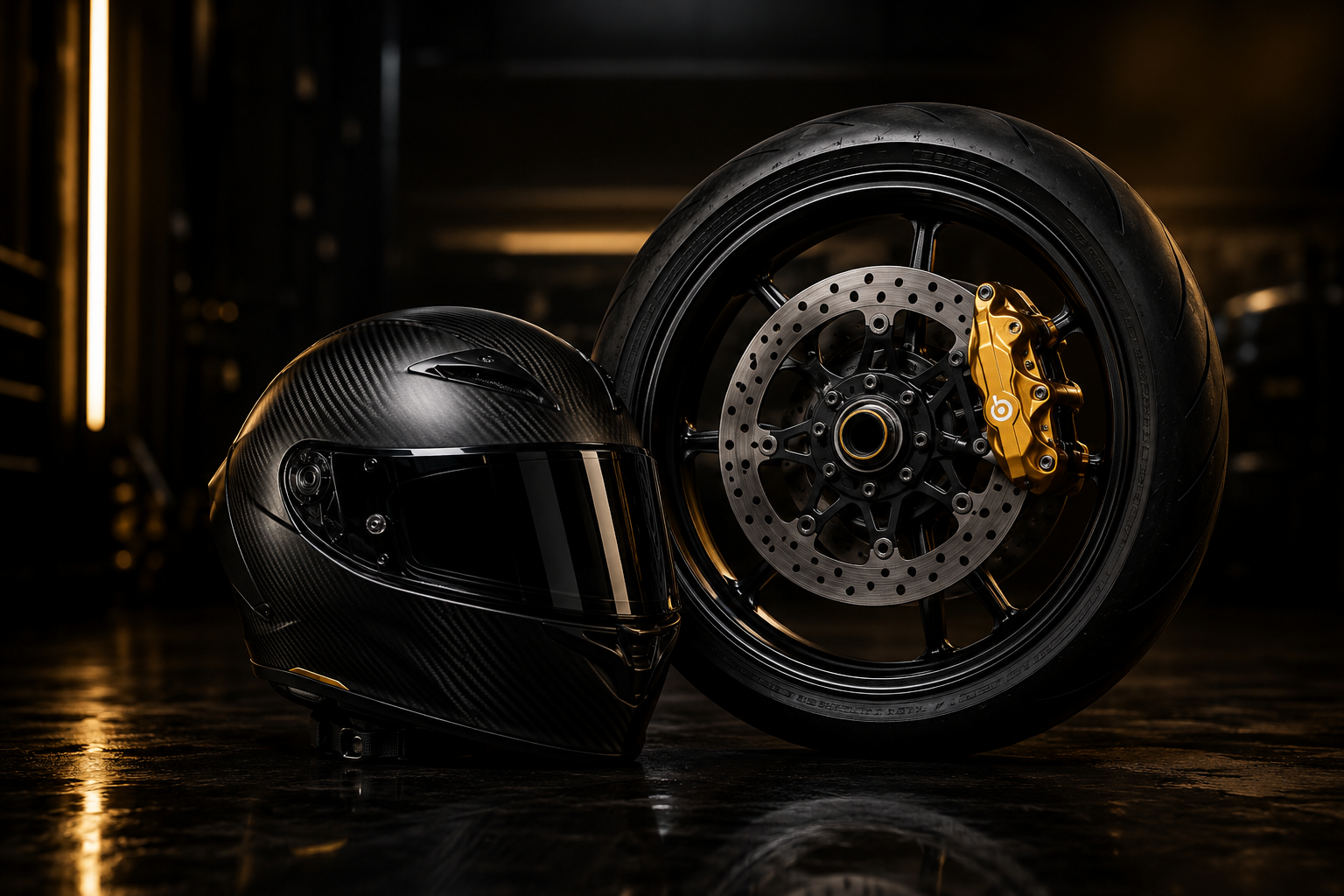
A helmet that feels comfortable in a showroom can become a painful headache after two hours on the highway.
Many riders pick their helmet based on graphic designs, matching color schemes, or aerodynamic spoilers. But safety, aerodynamics, and noise reduction depend entirely on a single factor: fit. An ill-fitting helmet is a major safety hazard. If a helmet is too loose, it will shift during an impact, compromising the protective capability of the EPS liner. If it is too tight, it will cause painful pressure points that distract you from the road.
Finding the perfect fit is not as simple as choosing Small, Medium, or Large. Every manufacturer uses different shell shapes, and head structures vary. This guide is the definitive resource to help you measure your head shape, navigate sizing charts, manage the break-in period, and verify that your helmet will protect you when it matters most.
Why Fit Matters More Than Graphics
When a motorcycle helmet is too loose, the consequences go far beyond comfort. During an accident, a loose helmet can slide off your head entirely or shift, leaving your chin, face, or forehead exposed. The EPS (Expanded Polystyrene) liner inside the helmet is designed to absorb impact by crushing. If there is a gap between your skull and the comfort liner, your head will accelerate inside the helmet during a crash, leading to a secondary impact against the EPS liner, reducing its effectiveness.
At highway speeds, a loose helmet catches wind. It lifts, pushes back against your nose, and shakes (buffeting), which causes neck strain and visual blur. Furthermore, a loose neckroll allows turbulent air to rush inside the helmet, creating deafening wind noise that can permanently damage your hearing.
Conversely, a helmet that is too small or matches the wrong head shape creates "hot spots"—localized pressure points where the EPS liner presses directly against the skull bone. Within 30 minutes, these hot spots restrict blood flow, causing severe headaches, fatigue, and distraction.
Never buy a helmet that is a size larger just because it is easier to pull over your ears. The entry port of a helmet is intentionally designed to be narrow to block wind noise and keep the helmet secured. Judge the fit only once the helmet is fully on your head.
Understanding Head Shapes: The Profile Matrix
Every human skull falls into one of three primary shape categories based on the ratio of length to width. Helmet manufacturers design their internal EPS molds to fit these specific profiles:
Long Oval           Intermediate Oval       Round Oval
  (Front)                (Front)              (Front)
    |                      |                     |
  [ O ]                  ( O )                 { O }
    |                      |                     |
(Back) (Back) (Back)- Long Oval: The head is significantly longer from front-to-back (forehead to the back of the skull) than it is wide from side-to-side (ear-to-ear).
- Intermediate Oval: The head is slightly longer from front-to-back than it is side-to-side. This is the most common head shape in the Indian and global markets. Consequently, most helmets sold by brands like Axor, SMK, and MT are designed around this shape.
- Round Oval: The head is almost equal in length and width. Riders with round heads who wear intermediate oval helmets will feel painful pressure points on the sides of their foreheads, while having excess space at the front and back.
If you have a Long Oval head shape and wear a Round Oval helmet, you will experience a painful pressure point right on your forehead, often leaving a red mark, while the sides of the helmet will feel loose.
Step-by-Step: Measuring Your Head Circumference
To find your baseline size, you need an accurate measurement of your head's largest circumference. Do not guess based on hat sizes or previous helmets.
                  Tape Measure Position
                     _______________
                    /   _________   \
                   /   /  (O) (O)\   \
      ============[===#===   ^   ===#===]============  <- 2.5 cm (1 Inch) Above Eyebrows
                   \   \    ---  /   /
                    \   \_______/   /
                     \_____________/
The Measurement Protocol:
- Use a flexible fabric measuring tape. If you do not have one, use a piece of string and measure the string against a standard metal ruler.
- Wrap the tape around your head, positioning it approximately 2.5 cm (1 inch) above your eyebrows in the front.
- Pass the tape directly over the tops of your ears and across the widest part of your skull at the back.
- Keep the tape flat against your skin, snug but not tight. Do not pull it so hard that it compresses your skin.
- Take the measurement three times. Use the largest measurement of the three to reference size charts.
When measuring, make sure the tape is level. If the tape slips down the back of your head or sits too high on your crown, your reading will be too small, leading you to order an undersized helmet.
Navigating Sizing Charts and Brand Differences
Once you have your measurement in centimeters, compare it to the specific size chart of the brand you intend to buy. Never assume that a Medium in Axor fits the same as a Medium in MT or SMK.
Here is a general reference of how centimeters translate to sizes, though minor variations exist:
| Size | Head Circumference (cm) | Typical Shell Size |
|---|---|---|
| XS | 53 – 54 | Shell 1 |
| S | 55 – 56 | Shell 1 |
| M | 57 – 58 | Shell 2 (or Shell 1 depending on model) |
| L | 59 – 60 | Shell 2 |
| XL | 61 – 62 | Shell 3 (or Shell 2 depending on model) |
| XXL | 63 – 64 | Shell 3 |
Key Brand Fitting Characteristics:
- Axor (e.g., Apex, Street): Typically designs intermediate oval helmets with a snug, sport-oriented fit. The cheek pads are thick, especially when new, providing excellent stability at high speeds.
- SMK (e.g., Typhoon, Stellar): Features a slightly rounder intermediate shape. SMK helmets tend to have plush, comfort-focused liners that feel a bit more accommodating out of the box, making them popular for daily commuting.
- MT Helmets (e.g., Hummer, Targo): Renowned for strict intermediate oval shapes that match European safety standards. The fit is very secure, with substantial neckroll padding to block noise.
- LS2 (e.g., FF352, FF800): Often runs slightly narrower. Riders with rounder heads might need to size up or look for models specifically marked as intermediate/round.
The Sizing Reality Check: The Showroom Tests
Do not just put the helmet on and take it off. Perform these diagnostics to verify the fitment:
1. The Cheek Check (The Chipmunk Face)
Your cheeks should be pushed up slightly, resembling a "chipmunk face." There should be no gap between your cheeks and the comfort padding. If you try to open your mouth to chew, you should gently bite the inside of your cheeks. If your jaw moves freely without touching the pads, the helmet is too loose.
2. The Forehead Check (The Finger Test)
Put the helmet on and fasten the chin strap. Try to slide your index finger between your forehead and the comfort liner. If your finger slides in easily, the helmet is too large. You want a snug contact across the entire brow line.
3. The Grab and Twist Test
Hold the chin bar of the helmet firmly with both hands and try to rotate your head side-to-side inside the helmet. The helmet should pull the skin on your face and cheeks with it. If the helmet slides across your face easily, it is too large.
4. The Roll-Off Test
Fasten the chin strap securely. Reach around to the back of the helmet base with both hands. Pull forward and upward, attempting to roll the helmet off your head. If the helmet slides forward off your head or exposes your eyes, the chin strap configuration or the overall shell size is incorrect.
Managing the Break-In Period
A brand-new helmet should feel tighter than you expect. Many riders return helmets thinking they are too small when they are actually perfect.
Modern comfort liners are made of polyurethane foam wrapped in fabric. As you wear the helmet, your body heat and the pressure of your skull compress this foam. Over the first 15 to 20 hours of riding, the liner will break in, expanding the interior space by about 10% to 15%.
If the helmet feels comfortable and easy to wear on day one, it will likely become too loose after the break-in period, leading to wind noise and buffeting.
Snugness vs. Pain:
- Normal Snugness: Pressing firmly against the cheeks, tight fit around the crown, slightly difficult to put on and take off.
- Abnormal Pain: A sharp, burning sensation on the forehead, temple pressure that causes a headache within 20 minutes, or ears folded down painfully with no room to adjust. If you experience these, the helmet is either too small or the wrong shape for your head.
Glasses and Helmet Fitment
Riding with glasses introduces additional fit challenges. If a helmet is too tight on the temples, it will press the frames of your glasses into the sides of your head, causing intense pain and bending the frames.
                        Glasses Channel Design
                           _________________
                          /   ___________   \
                         /   /  (O)_(O)  \   \
  Temples Pass --------> ===#===   _=_   ===#===  <- Built-in Channels
  Through Padding        \   \    ---    /   /
                          \   \_________/   /
\_______________/- Look for Eyeglass Channels: Many modern helmets (like the Axor Apex and SMK Stellar) feature dedicated channels in the cheek pads. These channels use softer foam or have physical gaps in the padding to let the temples of your glasses slide in easily.
- Test the Fit: Always wear your glasses when testing a new helmet. Put the helmet on first, then slide your glasses through the eyeport. The glasses should slide in smoothly without bending, and they should sit naturally on your nose.
- Avoid Thick Frames: If you ride regularly, choose glasses with thin, straight metal temples. Curved plastic temples are harder to slide past helmet padding and are more likely to create pressure points.
Touring vs. Track Fit: Choose Your Snugness
Your riding style determines how snug your helmet needs to be:
- Touring / Commuting Fit: Prioritizes long-term comfort. The helmet should still be snug and pass all safety checks, but it can accommodate a slightly softer cushion feel. A good neckroll fit is essential here to block ambient wind noise over long hours on the saddle.
- Track / Performance Fit: Prioritizes maximum stability. When riding at high speeds, wind pressure exerts significant force on the helmet shell. The fit must be extremely tight to prevent the helmet from lifting or shaking. Track riders often customize their helmets by installing thicker accessory cheek pads.
When to Replace Your Helmet Liners
Even if your helmet shell has not expired (the standard lifetime is 5 years), the interior comfort liners will wear out over time.
Sweat, hair oils, dirt, and facial movement degrade the comfort foam. Over time, the foam loses its resilience and fails to spring back, making the helmet fit looser.
If your helmet shell is in good condition but has started to rotate or slide too easily, check if the manufacturer sells replacement comfort liners and cheek pads. Installing a fresh set of liners can restore the original snug fit for a fraction of the cost of a new helmet.
Tips for Buying a Helmet Online
Buying a helmet online offers access to a wider selection of colors, graphics, and brands, but you must be strategic to ensure you get the right fit:
- Measure Twice: Never rely on memory. Measure your head circumference using the protocol described above right before ordering.
- Check the Return Policy: Only buy from retailers that offer hassle-free exchanges for sizing. When you receive the helmet, keep all tags attached and do not ride with it. Wear it around your house for 30 to 45 minutes to check for hot spots.
- Research the Shell Sizes: Premium helmets use multiple shell sizes across their size range. If you fall between a Small and Medium, check if they share the same outer shell size. If they do, you can often swap the internal padding to adjust the fit.
Conclusion: Safety First
A beautiful helmet is useless if it shifts or flies off during an impact. When shopping for riding gear, prioritize fit over graphic style, brand popularity, or accessories. Spend the time to measure your head circumference, understand your head shape, and perform fitment checks in your living room before hitting the road. A properly fitted helmet will keep you comfortable, quiet, and protected on every journey.
Frequently Asked Questions (FAQ)
1. Why does my forehead hurt after wearing my new helmet for 30 minutes?
This is a classic symptom of a head shape mismatch. Your head is likely a Long Oval shape, but you are wearing an Intermediate Oval or Round Oval helmet. The front of the helmet is pressing directly against your forehead bone, creating a "hot spot." You should exchange the helmet for a model designed with a longer oval profile.
2. Can I wash my helmet liners?
Yes. If your helmet has a removable liner, pull out the cheek pads and comfort liner. Hand wash them in warm water using a mild baby shampoo. Air dry them completely in a shaded, well-ventilated area. Do not use a washing machine or dryer, as this can degrade the foam and damage the adhesive backing.
3. How do I know if my cheek pads are broken in?
After 15 to 20 hours of riding, the cheek pads will conform to your jaw shape, and you will no longer feel like you are biting your cheeks. The entry point of the helmet will remain snug, but the overall fit will feel much more natural.
4. What should I do if my head measurement falls exactly between two sizes?
If you fall between sizes (e.g., 58.5 cm, between Medium and Large), it is generally recommended to choose the smaller size (Medium). The comfort foam will break in and expand to fit your head. Choosing the larger size will likely result in a helmet that is too loose after a few weeks of use.
5. Why are motorcycle helmet entry points so tight?
The bottom opening of a helmet is designed to be tight to create a seal around your neck. This seal blocks wind noise, prevents turbulent air from lifting the helmet at high speeds, and keeps road dust out. Don't worry if the helmet is tight to put on; judge the fit only once your head is fully inside the comfort liner.
6. Do cheek pads affect the safety rating of a helmet?
Yes. Cheek pads keep the helmet stable on your face, preventing rotation during a crash. While the EPS liner around your crown does the heavy lifting for impact absorption, properly fitting cheek pads ensure the helmet stays positioned correctly to let the EPS liner do its job.
7. Does my hair length affect my helmet size?
If you have very thick hair, dreadlocks, or wear your hair in a bun, it will affect your helmet size. Measure your head with your hair styled exactly as it will be when you ride. Do not tuck buns or thick hair ties under your helmet liner, as this creates dangerous pressure points.
8. How long do helmet comfort liners last?
With regular use, comfort liners typically last 2 to 3 years before the foam degrades and compresses permanently. Commuters and riders in hot climates may need to replace them sooner due to sweat and dirt buildup.
Frequently Asked Questions
How tight should a new helmet feel?
A new helmet should feel snug, particularly against your cheeks. If you shake your head side-to-side, the helmet should not shift independently of your skin. The cheek pads will compress and break in by about 10% to 15% after 15 to 20 hours of riding.
What head shapes do helmet manufacturers design for?
Most brands design for three main shapes: Long Oval (longer front-to-back), Intermediate Oval (slightly longer front-to-back, which is the most common shape globally and in India), and Round Oval (nearly equal front-to-back and side-to-side).
Can I just buy a size larger if the helmet is hard to put on?
No. A helmet that is easy to put on and feels loose in the showroom will likely shift at highway speeds, lift up due to wind pressure, and fail to protect you during an impact. The entry point of a helmet is always its tightest part.
How do I know if my helmet is too small?
If you feel localized, sharp pain on your forehead or the sides of your head (hot spots) within 30 to 45 minutes of wearing it, the helmet is too small or does not match your head shape. Snugness is normal; sharp pain is not.
Can I wear glasses with any motorcycle helmet?
Many modern helmets feature built-in glasses channels in the cheek pads to accommodate temples. If you wear glasses, always test the helmet with your glasses on to ensure the temples are not pressed painfully against your head.
How often should I wash or replace my helmet liner?
Removable liners should be washed every few weeks during hot seasons. If the foam has compressed permanently, causing the helmet to feel loose, you should replace the inner comfort liner set to restore the original snug fit.
Does a loose helmet affect wind noise?
Yes, significantly. A loose fit allows wind to enter from the bottom neckroll, creating extreme wind noise and turbulence inside the helmet, leading to rider fatigue.
Keep Reading Guides
Full Face vs Modular Helmet: Which is Safer?
We analyze the safety mechanics, hinge durability, weight, and convenience of full-face vs modular helmets.
Best Helmet Under ₹5000 in India
Looking for top safety on a budget? Here are the best ECE and ISI certified helmets in India under ₹5,000.