
Top Accessories for Himalayan 450
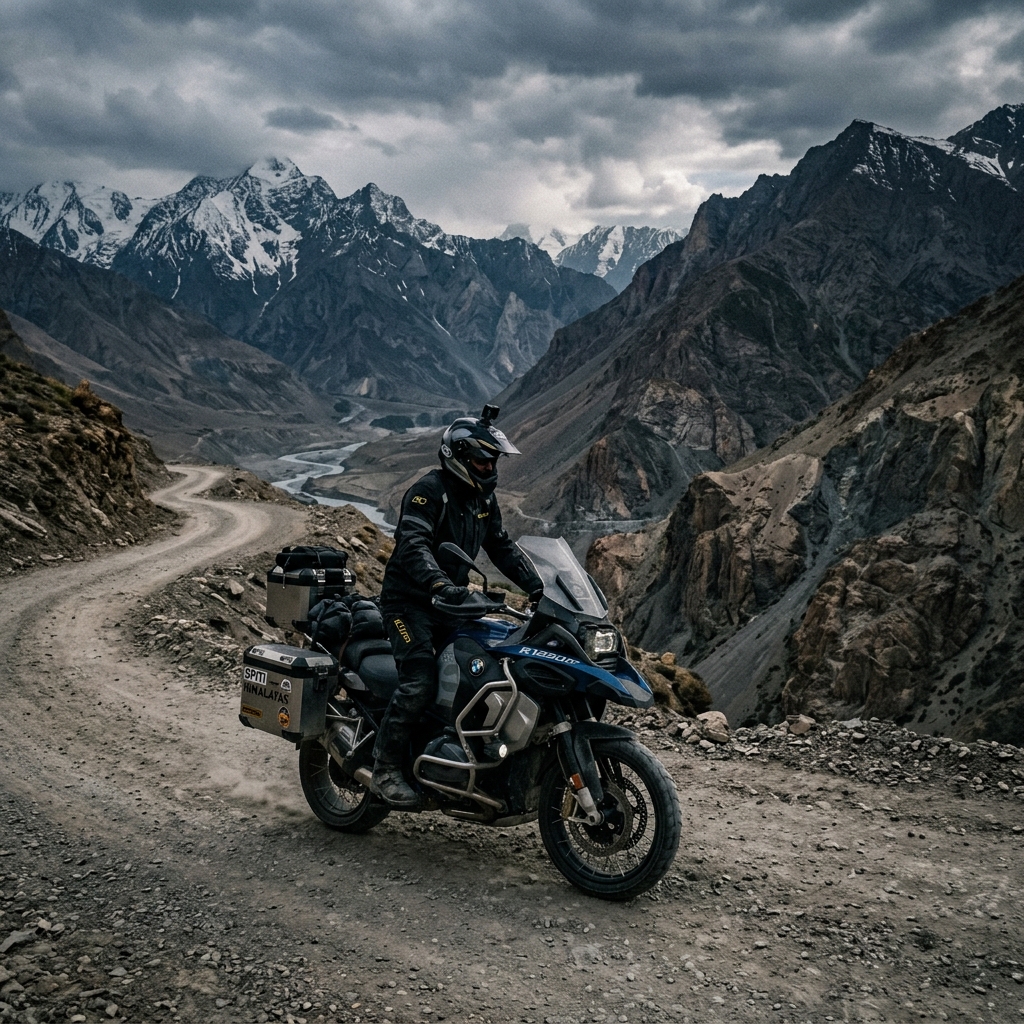
The Royal Enfield Himalayan 450 is a highly capable adventure tourer. Powered by the liquid-cooled Sherpa 450 engine, it has the power, suspension travel, and chassis geometry to tackle highway miles and challenging off-road trails.
However, factory-fresh motorcycles are built to meet cost targets and broad market needs. If you plan to ride through rocky riverbeds, tour through rainstorms, or carry heavy luggage, you need to prepare your machine.
Adding the wrong accessories can ruin a great bike. Heavy steel crash guards can upset the weight distribution, and cheap electrical modifications can cause harness failures on remote trails. This guide reviews the top aftermarket accessories for the Himalayan 450, outlining what to install first, what to avoid, and how to prepare your bike for touring and trails.
1. Structural Crash Protection
A drop on a rocky trail shouldn't end your trip. Crash protection is about absorbing and distributing impact forces away from vital engine casings and the radiator shroud.
       Front Impact Protection
       +-------------------------------+
       |    Engine/Radiator Guard      | -> Lightweight steel/aluminum tubes
       +-------------------------------+
                      |
       [Chassis Mounting Points]       -> Distributes impact to main frame
                      |
       +-------------------------------+
       |      Lower Crankcase Slider   | -> Protects engine cases
+-------------------------------+- Radiator Shroud Guards: Look for lightweight crash guards that frame the radiator shroud without contacting it. The guards must bolt directly to the main chassis plates. Avoid heavy, multi-point wrap-around bars that add unnecessary weight to the front end.
- Dual-Point Mounting: Ensure the crash guard has a solid bracing structure. A single-sided guard will bend and press into your engine casing during a hard impact, causing the exact damage you are trying to prevent.
- Frame Sliders: For street riding, chassis sliders help slide the bike along the pavement, reducing cosmetic damage. For off-road riding, tubular steel crash guards are a better choice.
Avoid overly heavy steel crash guards. Excess front weight compresses the front USD (Upside Down) forks, altering the steering handling geometry and making the bike slow to steer. Choose lightweight, high-tensile steel or aluminum guards instead.
2. Radiator Guard: The Essential Shield
The Himalayan 450's liquid-cooled engine depends on its front-facing radiator to manage heat. Unfortunately, the radiator is located directly behind the front tire, leaving it vulnerable to rocks, gravel, and road debris.
   Front Tire  ======>   Throws Stones/Gravel   ======>   Radiator Fins (Vulnerable)
                                                             ||
                                                   [ Radiator Guard Shield ]
                                                             ||
Protected!- Why It is Critical: A single flying stone thrown up by a truck ahead of you or by your own front wheel can puncture the delicate aluminum cooling tubes of the radiator. This leads to coolant loss, engine overheating, and a costly towing bill.
- Guard Design: Choose a radiator guard made of high-grade aluminum or stainless steel with a hexagonal mesh pattern. The mesh must balance protection and airflow: holes that are too small will cause the engine to run hot, while holes that are too large will let stones pass through.
- Spacer Clearance: Ensure the guard does not mount flush against the radiator core. It needs a small air gap to prevent the guard from pressing into the cooling fins during a minor impact.
3. Sump Guard / Bash Plate: Bulletproofing the Bottom
If you ride on rocky trails, sand washes, or through deep ruts, a heavy-duty bash plate is essential. It protects the engine oil sump, oil filter, and exhaust header pipes from damage.
                            Sump Protection
                             ______________
                            /   Sherpa 450  \  <- Engine Casing
                            \_______________/
                               |    |    |
     Header Pipe -----------> ( )  ( )  ( )  <- Exposed Oil Filter
                               \_________/
============= <- Heavy-Duty Aluminum Bash Plate- Stock Limitations: The stock plastic engine guard is only designed to deflect sand and light road spray. It offers zero protection against impacts from large rocks or bottoming out on concrete dividers.
- Upgraded Materials: Invest in a 4mm to 5mm thick aluminum bash plate (like those from Moto Trend or Royal Enfield's adventure range). Aluminum slides over rocks and deforms slightly to absorb impact, preventing damage to the engine cases.
- Exhaust Header Protection: Ensure the bash plate extends far enough forward to cover the exhaust header pipe bend and the exposed engine oil filter, which are vulnerable to debris thrown up by the front wheel.
4. Luggage Carriers & Saddle Stays
To carry gear securely on multi-day tours, you need a sturdy luggage mounting system.
- Saddle Stays: Saddle stays are metal frames that keep soft panniers or hard boxes away from the rear wheel, swingarm, and hot exhaust pipe. Look for stays made of tubular steel with durable powder coating.
- Top Rack / Luggage Plate: Replace the stock plastic grab rail with an aluminum top luggage plate. A wider plate provides more tie-down points for securing dry bags or tail packs with Rok Straps.
- Weight Distribution: When mounting saddlebags, keep the luggage weight as far forward as possible, positioned over the passenger seat rather than hanging behind the rear axle.
Do not overload the rear subframe of the Himalayan 450. The tail rack is rated for a maximum load of 7 kg to 10 kg. Exceeding this limit by strapping heavy tool kits or spare fuel cans to the tail can lead to subframe cracking over rough terrain.
5. Ergonomics & Comfort Upgrades
Long hours in the saddle require comfortable ergonomics to prevent fatigue and joint strain.
- Touring Seat: The stock seat can feel too soft after 3 days of riding, causing tailbone pain. Upgrading to a seat with firmer, dual-density foam (like Royal Enfield's touring seat option) distributes your weight more evenly.
- Handlebar Risers: If you stand on the footpegs while riding off-road, you may find yourself slouching forward, which strains your lower back. Installing 20mm to 25mm handlebar risers raises the bars, allowing you to stand in a natural, upright position.
- Wider Footpegs: Stock rubber footpegs get slick when wet or muddy, and their narrow profile causes foot fatigue. Upgrade to wider, serrated steel pegs that grip your boots and support your feet.
6. Wind Protection: Windscreen Upgrades
Wind blast at 110 km/h will quickly drain your energy. Wind protection is essential for long-distance highway cruising.
- The Stock Windscreen: The stock screen is small, directing wind blast directly at your chest and neck, which causes helmet buffeting.
- Tall Windscreen Upgrades: A taller, aerodynamically swept touring windscreen deflects wind over your helmet, creating a pocket of quiet air that reduces neck strain and wind noise.
- Anti-Scratch Coating: Choose a screen made of impact-resistant polycarbonate with an anti-scratch coating to ensure clear visibility over years of use.
7. Auxiliary Lighting & Electrical Routing
When riding on rural Indian roads at night, your stock headlight is rarely enough. Auxiliary lights are crucial for illuminating road hazards, potholes, and stray animals.
- Auxiliary Lights: Choose LED lights with a combined spot-and-flood beam pattern. Spot beams throw light far down the highway, while flood beams illuminate the shoulders and ditch lines.
- Dedicated Wiring Harness: Never splice aftermarket lights into the factory wiring harness. Always use a dedicated wiring harness featuring a fuse, relay, and switch, connecting directly to your battery.
- ECU Concerns: The Himalayan 450 features a digital electrical system (CAN-bus architecture). Splicing wires can trigger ECU error codes, shut down circuits, or void your warranty.
The Installation Priority Matrix
Do not buy everything at once. Prioritize your budget based on protection first, then ergonomics, and finally luggage capacity:
  Phase 1: Critical Protection  =======>  Radiator Guard, Sump Guard, Crash Guards
  Phase 2: Comfort & Control    =======>  Touring Seat, Handlebar Risers, Footpegs
Phase 3: Touring Utility =======> Saddle Stays, Top Plate, Auxiliary Lights- Immediate Install (Before Day 1): Radiator Guard, Heavy-Duty Sump Guard. These protect the bike from catastrophic engine damage.
- Secondary Install (Before First Tour): Crash Guards, Touring Windscreen, Touring Seat. These focus on rider safety and comfort.
- Tertiary Install (As Needed): Saddle Stays, Top Plate, Auxiliary Lights, Handlebar Risers. These add utility for specific adventure needs.
Common Ownership Mistakes to Avoid
- Buying Heavy Steel Guards: Avoid crash guards that resemble full cage systems. They can add up to 12 kg of weight to the front end of the motorcycle, making the front suspension sag and ruining the handling.
- Splicing Wiring for Lights: Do not cut or splice the original wiring harness. Use plug-and-play wiring adaptors that plug directly into the accessory port under the seat.
- Overloading the Tail Rack: Avoid mounting large, heavy aluminum top boxes to the rear tail rack. The rear subframe is not designed for heavy, high-vibration loads, which can cause frame cracks over time.
- Ignoring Threadlock (Loctite): Single-cylinder adventure bikes vibrate, especially when ridden hard off-road. Always apply medium-strength threadlock (like blue Loctite 242) to accessory mounting bolts to prevent them from vibrating loose.
Conclusion
The Royal Enfield Himalayan 450 is an excellent adventure platform, but it requires a few key modifications to handle tough trail touring. Start by protecting the radiator and engine sump, then focus on ergonomics and luggage stays. Choose high-quality, lightweight accessories, and verify your modifications in your garage before heading out on your next adventure.
Frequently Asked Questions (FAQ)
1. Does the radiator guard reduce cooling efficiency?
A well-designed radiator guard from a reputable brand will not reduce cooling efficiency. The mesh spacing is engineered to maximize airflow while deflecting stones. However, cheap guards with solid plates or tiny holes can restrict airflow, causing the engine to run hot in slow city traffic.
2. Can I install handlebar risers without replacing the cables?
Risers up to 20mm or 25mm can typically be installed using the stock cables, though you may need to reroute the clutch cable behind the triple clamp. Always turn your handlebars fully from lock-to-lock after installing risers to verify that the cables do not stretch or pull tight.
3. What is the advantage of a tubeless spoke wheel conversion?
Tubeless tires are much easier to repair on the road using a standard plug kit. Tube-type tires require removing the wheel, pulling the tube out, patching it, and reinstalling it, which is a difficult roadside repair. Only convert your wheels using certified tubeless kits or original tubeless rims.
4. Are auxiliary lights legal in India?
Auxiliary lights are legal if they are mounted below the level of the main headlight and are fitted with protective covers while riding in city limits. Using high-powered auxiliary lights inside city limits can result in fines and blind oncoming traffic. Only use them on dark, unlit rural highways.
5. Why do accessory bolts vibrate loose on the Himalayan?
Single-cylinder engines naturally produce vibrations. When combined with rough off-road riding, these vibrations cause bolts to loosen. Always use spring washers, locking nuts, and blue threadlock on all accessory mounting bolts, and check them regularly.
6. Should I choose a steel or aluminum bash plate?
Aluminum is preferred for adventure riding. A 4mm or 5mm aluminum plate is lightweight, strong, and deforms slightly to absorb impact energy. Steel bash plates are heavier and transmit more impact force directly to the engine mounting bolts and chassis plates.
7. How does a touring seat help on long rides?
A touring seat uses firmer, high-density foam that prevents you from sinking through the cushion and sitting directly on the plastic seat pan. This firmer support distributes your weight evenly, reducing tailbone pressure points and keeping you comfortable on 500km+ riding days.
8. What is a CAN-bus electrical system?
The Himalayan 450 uses a CAN-bus system to manage electrical circuits. Unlike traditional systems that use standard fuses, CAN-bus monitors current digitally. Splicing into a wire or drawing too much current will cause the system to shut down that circuit automatically to prevent damage. Always connect high-draw accessories directly to the battery.
Frequently Asked Questions
Why does the Himalayan 450 need a radiator guard immediately?
The Himalayan 450 has a liquid-cooled Sherpa engine with a front-facing radiator. The front wheel throws up gravel, rocks, and debris directly onto the cooling fins. Without a radiator guard, a flying stone can puncture the core, leaking coolant and leaving you stranded.
Do aftermarket crash guards void the Himalayan 450 warranty?
No, as long as the crash guards are bolted to standard chassis mounting points without modifying the frame or drilling. However, using cheap electrical accessories that require splicing the original wire harness can void the electrical warranty.
Should I choose hard aluminum panniers or soft waterproof bags?
For off-road riding and trail touring, soft panniers are better because they are lighter, absorb drops without bending, and reduce the risk of leg injuries if the bike slides out on your leg. Hard panniers are better for secure, lockable street touring.
Why is the stock plastic bash plate inadequate?
The stock plastic bash plate protects the engine from sand and light gravel, but it will crack under impact from large rocks, logs, or deep ruts, exposing the engine casing and oil filter to serious damage.
Do auxiliary lights require a separate relay?
Yes, absolutely. Auxiliary lights pull significant current. Wiring them directly to the headlight circuit can burn out the switchgear or damage the motorcycle's ECU. Always use a fused wiring harness with a dedicated relay connected directly to the battery.
What are the common mistakes when accessorizing the Himalayan 450?
The most common mistakes are installing heavy, over-engineered steel crash guards that alter the bike's weight distribution, overloading the rear tail rack, and splicing electrical wires instead of using plug-and-play couplers.
Do handlebar risers affect clutch cable routing?
Yes. Sizable handlebar risers (above 20mm-25mm) will pull the clutch cable and front brake line tight when turning the handlebars lock-to-lock, which can cause the throttle or clutch to engage unexpectedly. Inspect the routing closely.
Is a headlight grill necessary?
If you ride in groups on gravel trails, a headlight grill protects the LED headlight lens from flying stones thrown up by the rear tire of the motorcycle ahead of you. It is less necessary for solo street riding.
Keep Reading Guides
Full Face vs Modular Helmet: Which is Safer?
We analyze the safety mechanics, hinge durability, weight, and convenience of full-face vs modular helmets.
Best Helmet Under ₹5000 in India
Looking for top safety on a budget? Here are the best ECE and ISI certified helmets in India under ₹5,000.